Current Transformer Accuracy: Factors Affecting Measurement Reliability
The accuracy of a current transformer is of critical importance when when measuring electricity. It helps us learn the amount of power is consumed in homes, schools and other places. There are a few factors which can influence the accuracy of Current Transformer readings. These are the things that we are going to look into and see how they can impact the measurements.
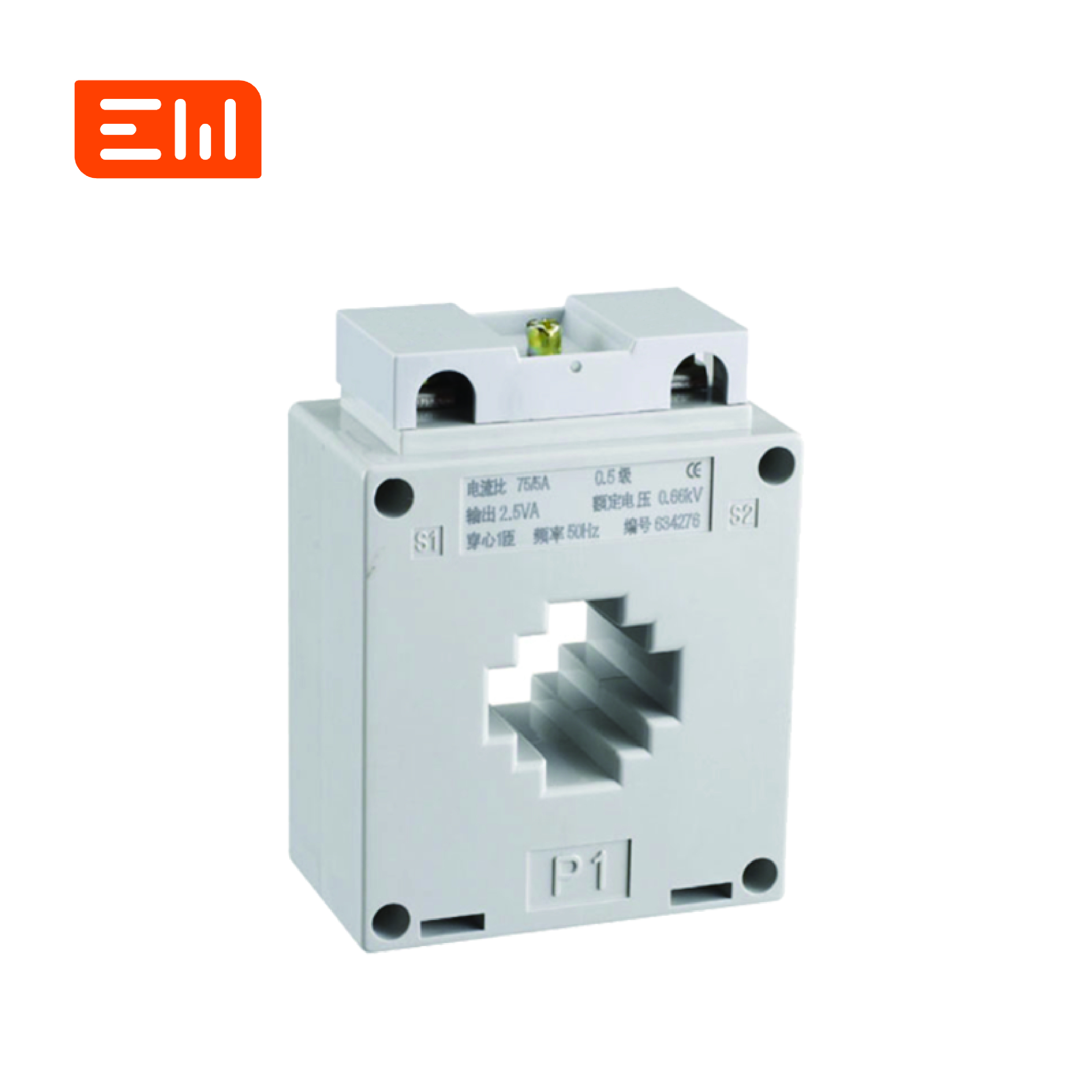
Effects of Burden on the Accuracy of Current Transformers
Burden is one factor that can affect the accuracy of current transformer measurements. The load is the load the Medium Voltage Switchgear is attached to. If the load is too heavy, the measurement may not be precise. If the load is not heavy enough, that too can create problems. The loading is also maintained in the correct range for accurate current transformer (CT) measurements.
Influence of Saturation and Temperature on Measurements
Saturation and temperature are two other items that can affect the accuracy of current transformer measurements. Saturation occurs when too much current is passed through the transformer. This may lead the transformer to saturate and yield erroneous readings. You can also experience an environment on the accuracy. The wires may behave differently at elevated temperatures, causing errors in the measurements. One thing to watch out for is the saturation and the temperature when measuring.
Significance of Correct Installation and Calibration
The Dry-type Transformers of the current transformer and the calibration is critical and will provide correct readings or not. If it isn’t installed the proper way, it will generate errors in the readings. Only if you install the cable according to these instructions, you will achieve reliable test results. Calibration may also be required to ensure that the current transformer is measuring accurately. It should be checked regularly to ensure accurate measurements.
Role of Turn Ratio in Measurement
The turns ratio of a current transformer is another factor that can affect accuracy. The turns ratio is the amount of turns of wire in the primary winding to the number of turns of wire in the secondary winding. Here, a higher turns ratio may produce more precise measurements, but a lower turns ratio can produce more fanciful readings. One must select a current transformer with the correct turns ratio in order to obtain the desired measurements.
Effects of frequency and harmonics on performance
Frequency and harmonics can also have an impact on how effectively a current transformer operates. The frequency is the rate that the current is changing. Other current transformers are most effective at different frequencies. A Medium Voltage Current Transformers at the wrong frequency will result in errors. Multiples of the fundamental frequency are known as harmonics and can have performance affecting effects as well. You need to consider frequency and harmonics when you are selecting a current transformer.
Finally, many facts can cause current transformer measurements not to be precise. It is important to have an understanding of how burden, saturation, temperature, turns ratio, frequency, and harmonics impact measurements to achieve trustworthy results. Correct installation, calibration, and checking are crucial for maintaining accurate measurements. Taking into account these considerations helps ensure the current transformer is well suited for electricity measurements.


Comments
Post a Comment