Durability and Versatility: The Role of Unsaturated Polyester Resins in Composite Materials
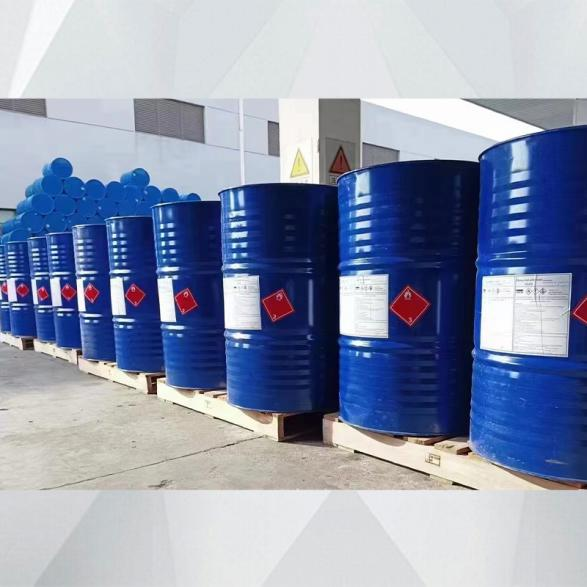
Composite materials have revolutionized numerous industries by offering a unique combination of strength, lightweight properties, and adaptability. Among the various matrix materials used in composites, unsaturated polyester resins (UPRs) stand out for their exceptional durability and versatility, playing a pivotal role in enhancing the performance and expanding the applications of composite materials.
Unsaturated polyester resins are a class of thermosetting polymers formed by the condensation reaction of unsaturated dicarboxylic acids or anhydrides with diols. Their cross - linked structure, formed through polymerization initiated by free radicals, is the key to their remarkable durability. This cross - linked network imparts excellent mechanical strength to the composites, enabling them to withstand significant loads and stresses. Whether in structural components of buildings, automotive parts, or aerospace equipment, UPR - based composites can maintain their integrity even under prolonged and intense use.
Moreover, UPRs exhibit outstanding resistance to various environmental factors. They are highly resistant to corrosion, making them ideal for applications in harsh chemical environments. For example, in the marine industry, composite materials made with UPRs are used in boat hulls and marine structures, as they can resist the corrosive effects of saltwater, which would quickly deteriorate traditional materials like steel. Additionally, UPRs have good weather resistance, able to endure extreme temperatures, ultraviolet radiation, and moisture without significant degradation. This ensures that composites containing UPRs have a long service life, reducing the need for frequent replacements and maintenance.
The versatility of unsaturated polyester resins is another major factor contributing to their widespread use in composite materials. One aspect of this versatility is their ability to be easily modified. By adjusting the composition of the resin, such as varying the types and ratios of the raw materials, or adding different additives, the properties of UPRs can be tailored to meet specific application requirements. For instance, adding flame - retardant additives can make UPR - based composites suitable for use in areas with strict fire safety regulations, such as building interiors and electrical equipment.
UPRs also have excellent compatibility with a wide range of reinforcing materials. They can effectively bond with fibers like glass fiber, carbon fiber, and aramid fiber, as well as particulate fillers such as calcium carbonate and talc. This compatibility allows for the creation of composites with diverse properties. Glass fiber - reinforced UPR composites, for example, are widely used due to their high strength - to - weight ratio, making them suitable for applications where both strength and lightweight are important, such as in automotive body panels and wind turbine blades. Carbon fiber - reinforced UPR composites, on the other hand, offer even higher strength and stiffness, finding applications in high - performance aerospace components.
In terms of processing, unsaturated polyester resins offer great flexibility. They can be processed using various techniques, including hand lay - up, spray - up, filament winding, and compression molding. This adaptability to different manufacturing processes makes it possible to produce composite parts of complex shapes and sizes, catering to the diverse needs of different industries. For small - scale production or custom - made parts, hand lay - up and spray - up methods are cost - effective. For large - scale production with high precision requirements, filament winding and compression molding can be employed to ensure consistent quality and efficiency.
The automotive industry is one of the major beneficiaries of UPR - based composites. The lightweight nature of these composites helps to reduce the overall weight of vehicles, improving fuel efficiency and reducing emissions. UPR - based composites are used in the production of bumpers, fenders, and interior components, where their durability and impact resistance protect the vehicle and its occupants. Additionally, their ability to be molded into complex shapes allows for more creative and aerodynamic designs.
In the construction industry, UPR - based composites are used in a variety of applications. They are employed in the manufacturing of pipes, tanks, and panels. The corrosion resistance of UPRs ensures that these products can withstand the harsh conditions in plumbing systems and chemical storage. The lightweight property of the composites also makes installation easier and more cost - effective compared to traditional materials like concrete and steel.
The electrical and electronics industry also relies on UPR - based composites. Due to their good electrical insulation properties, these composites are used in the production of electrical enclosures, insulators, and circuit boards. They can protect electrical components from external factors and ensure safe and reliable operation.
In conclusion, unsaturated polyester resins play an indispensable role in composite materials, thanks to their exceptional durability and versatility. Their ability to provide long - term performance in various environments, combined with their adaptability to different manufacturing processes and compatibility with a wide range of reinforcing materials, makes them a preferred choice in numerous industries. As technology continues to advance, further modifications and improvements to UPRs are likely to expand their applications even more, solidifying their position as a key matrix material in the world of composite materials.


Comments
Post a Comment